I Ignored My Cat's Ear Infection for Two Weeks — and the Vet Bill Was Triple What It Should Have Been
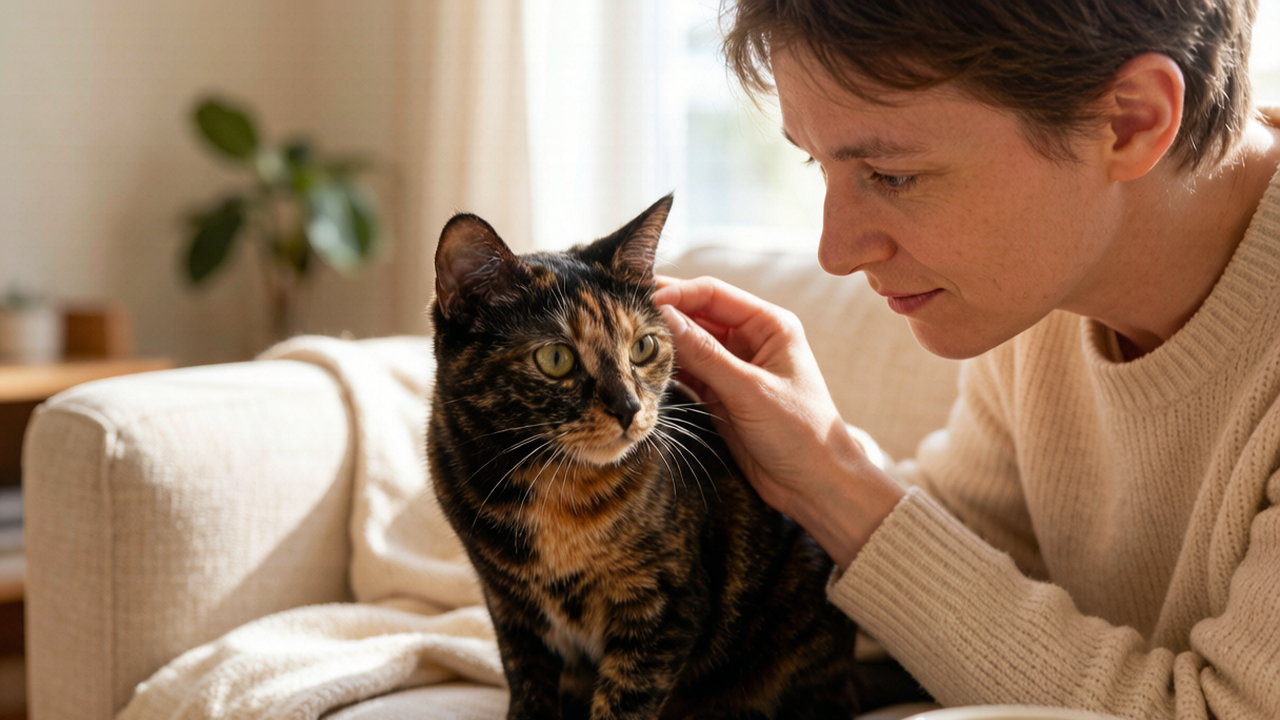
Luna, my tortoiseshell cat, started shaking her head one Tuesday in July and I told myself it was probably nothing. By Thursday she was scratching at her left ear so aggressively that a small bald patch appeared behind it. By Saturday the ear smelled — from across the couch.
When I finally took her to the vet on Monday, the infection had spread from the outer ear canal into the middle ear. What would have been a $60 visit and some ear drops turned into a $310 bill. If your cat is shaking their head, scratching at their ears, or if you catch even a whisper of a weird smell, learn from my mistakes.
The Three Things That Actually Cause Most Cat Ear Infections
Ear mites are the most common culprit, especially in kittens and outdoor cats. The discharge looks distinct: dark brown or black, crumbly, kind of like coffee grounds.
Bacterial and yeast infections usually happen when something else goes wrong first. Yeast loves warm, moist environments — July and August are prime time. The discharge tends to be yellowish or brown, and the smell is unmistakable.
Underlying allergies are the sneaky one. About 30% of recurring ear infections are allergy-driven. Luna has a mild chicken allergy. We switched her food and she hasn't had an ear infection in over a year.
What a Cat Ear Infection Actually Looks Like
- Head shaking and ear scratching. Not the normal scratch — persistent, six or seven times an hour.
- A smell you can't ignore. If you can smell your cat's ear from more than six inches away, something's going on.
- Redness, swelling, or discharge. Gently fold back the ear flap and look with a flashlight.
- The ear feels hot. Compare the infected ear to the healthy one.
- Behavior changes. Clingy, then irritable. Pain makes cats unpredictable.
- Head tilt or loss of balance. Red flag — infection in middle/inner ear. Vet now.
What You Can Safely Do at Home
Use a cat-specific ear cleaner — never water, never hydrogen peroxide. I use Virbac Epi-Otic, about $14 a bottle. Warm it first. Fill the canal, massage the base of the ear for 30 seconds, let your cat shake, wipe away debris with gauze. Never use Q-tips in the ear canal.
Apply a warm compress if the ear looks inflamed. Warm washcloth, 2-3 minutes.
Keep your cat indoors especially with ear mites — they spread between cats fast.
When to Drop Everything and Go to the Vet
Most ear infections need a vet. Go immediately if: bloody or pus-like discharge, head tilt, loss of balance, ear flap swelling, or if your cat stops eating.
🐾 Enjoyed This Article?
Save it for later, share with a fellow pet parent, or check out more tips on our homepage!
The Smell Test I Do Weekly
Cat ears should smell like almost nothing. The first sign of trouble is usually a sweet-sour or musty odor before you see any discharge. I lift Mochi's ears every Sunday, sniff, and check that the inner skin is pale pink, not red. Catching it at "smells a little off" means a $15 cleaner versus the $200 culture I paid when I waited two weeks and let it bloom.
The $30 vs $300 Decision
At-home care (vet-approved cleaner, never a cotton swab shoved deep) is right for mild wax and early itch. The line to the vet is: head tilting, pawing hard at the ear, redness with discharge, or any pain when you touch it — those mean infection past the surface and often need prescription drops. Dogs get the same issue, badly, after water — this dog ear routine is the prevention side, and if she's also off her food, this guide covers the overlap.
Mochi's Recurring Ear Issue (and What Fixed It)
Mochi's ears flare up when the humidity rises, and the early sign is always the same: she scratches one side and shakes her head. A vet confirmed the cause and we now do a weekly check and keep the inside dry after baths. Catching it at the head-tilt stage saved her a painful infection.
Learn the safe method in our ear-cleaning guide, and if you see discharge or a bad smell, read when to worry. Never pour cleaner into a red, painful ear — that's a clinic visit.
Frequently Asked Questions
What are the early signs of a cat ear infection?
Watch for frequent head shaking, pawing at the ear, a dark or waxy discharge, a sour odor, redness inside the flap, and sensitivity when you touch the area. Some cats also tilt their head to one side.
Can I treat a cat ear infection at home without a vet?
Not safely. Ear infections can be caused by bacteria, yeast, or mites, and each needs a different medication. A vet exam (often with a quick swab under the microscope) confirms the cause. You can gently clean the outer ear with a vet-approved solution, but prescription drops are usually required to clear it.
When is an ear infection an emergency?
If your cat loses balance, walks in circles, has a constant head tilt, screams when you touch the ear, or you see bleeding or swelling, call the vet the same day. These can signal a deeper inner-ear infection that needs prompt treatment.
Prevention Checklist
- Check both ears weekly for redness, odor, or debris.
- Dry ears gently after baths or if they get wet.
- Address underlying allergies, a common trigger of repeat infections.
- Never insert cotton swabs deep into the ear canal.
Common Mistakes to Avoid
- Never use cotton swabs deep in the canal - you can pack debris further in or damage the eardrum.
- Do not stop medication early because ears "look better"; infections relapse when the full course is skipped.
- Do not ignore a sour odor - it is one of the earliest, most reliable signs something is off.