My Cat Stopped Eating for Four Days — and the Vet Said It Could Have Killed Her
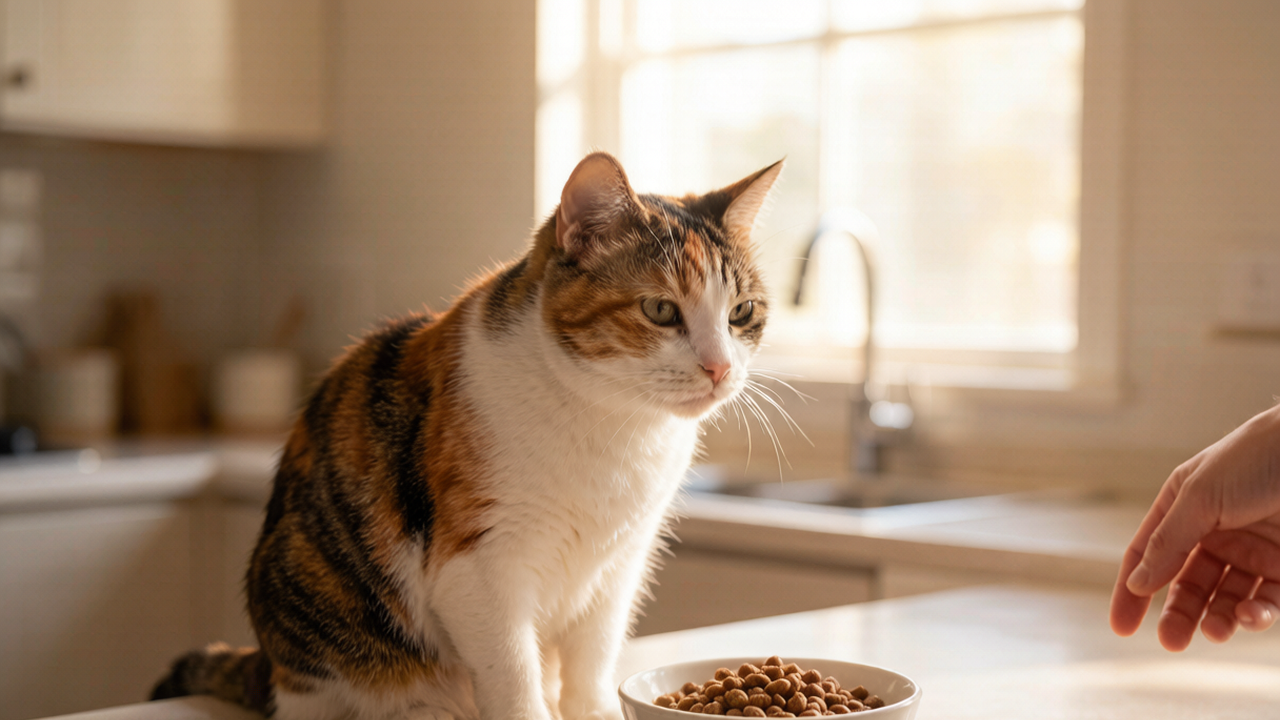
Four days. That's how long my cat Mochi went without eating before I finally dragged her to the vet in a carrier that she shredded from the inside. I kept telling myself she was just being picky. Maybe she didn't like the new bag of kibble. Maybe she was mad I'd been working late. Cats are dramatic, right?
Turns out, a cat that stops eating isn't being dramatic. It's a medical emergency that can turn fatal faster than you'd believe.
First: Know When to Panic
A cat that hasn't eaten in 24 hours needs to see a vet. Not "maybe." Not "if they seem sick." Twenty-four hours, full stop. Cats — especially chubby ones — can develop life-threatening liver problems (hepatic lipidosis) in as little as 48 to 72 hours without food. If they also show lethargy, vomiting, yellow gums, or drooling, go to the emergency vet immediately.
What Actually Worked
The Warm Food Trick
Warm the wet food for 8 seconds in the microwave. Cats navigate by smell more than taste. Cold food has no aroma. Warm food releases it. This costs nothing and works about 80% of the time.
Tuna Water (Use Carefully)
A teaspoon of tuna water (packed in water, not oil) drizzled over regular food. Gets them eating. But don't let it become the new normal — phase it out over a few meals or you'll train your cat to be pickier.
Change the Bowl
Deep bowls cause "whisker fatigue" — sensitive whiskers touching the sides = stress = refusing food. Switch to a flat, shallow plate. Mochi ate her entire dinner that night.
Hand Feeding
When nothing else works, sit on the floor and offer individual kibble pieces from your palm. After 5-10 pieces they often walk to the bowl and finish on their own. Rebuilds trust.
What Didn't Work
"She'll eat when she's hungry enough" — this nearly killed my cat. Force feeding without vet supervision — don't. Switching foods abruptly — causes stomach upset and makes things worse. Store-bought chicken broth — contains onion/garlic which is toxic to cats.
🐾 Enjoyed This Article?
Save it for later, share with a fellow pet parent, or check out more tips on our homepage!
The Warming Trick That Brought Her Back
Cold food smells like nothing to a cat. Warming her wet food (ten seconds in the microwave, then stir — never hot) released the scent and she ate within minutes the first time I tried it. It's not a cure, it's a nudge — but for a cat who hasn't eaten in a day, that nudge buys you time and calories. I keep a small food thermometer now; "warm, not warm-ish" matters.
Three Red Flags I Initially Missed
She wasn't just "picky" — she was dropping food (mouth pain), hiding more (not her baseline), and drinking less. Those three together are the "stop waiting, call the vet" signal, not the "try a new flavor" signal. The ear infection angle is real too — this ear guide explains how a sore ear makes a cat miserable and off her food, and if stress is in the mix, the bed-peeing piece covers the same nervous-system pathway.
The Week Mochi Went on a Food Strike
Mochi skipped two meals during a heat wave and we panicked appropriately. Warming the food, moving the bowl away from the loud fridge, and offering a quiet room brought her back. The lesson: cats hide illness by eating less, so a 24-hour fast is worth a call, not a wait.
Rule out medical causes first with our notes on what vomit color means and overgrooming. If she's drinking and playful, a picky phase is annoying but not urgent.
Warm the Bowl, Calm the Room
Mochi eats better when the food is slightly warm and the room is quiet — no blender, no TV, no rushing around her. We also rotate flavors so a refused batch isn't a week of the same thing. Appetite is data; a cat who skips two meals is telling you something, and the answer is rarely "buy a different brand."
Cross-check with vomiting signs before assuming it's simple pickiness. Pain and nausea show up as skipped meals first.
Frequently Asked Questions
How long can a cat go without eating?
Not long. A cat that eats nothing for 24-48 hours, especially an overweight one, is at risk of serious liver problems. A cat that skips more than two meals warrants a vet call.
Why is my cat a picky eater?
Causes range from medical issues and stress to simple texture or temperature preference. Sudden pickiness should be checked by a vet before you assume it is "just fussy".
How do I tempt a reluctant eater?
Warm the food slightly, offer a topper, keep the feeding spot quiet, and try small frequent meals. Never force-feed; it builds food aversion.
Appetite Checklist
- Rule out pain, dental issues, or illness first.
- Warm food and add a palatable topper.
- Feed in a calm, low-traffic spot.
- Call the vet if they skip 2+ meals.
Common Mistakes to Avoid
- Do not force-feed - it builds a lasting food aversion.
- Do not keep changing food - it teaches the cat that holding out brings new options.
- Do not wait past 48 hours - especially for overweight cats, the liver is at risk.
Your First Steps This Week
- Warm the food slightly to release aroma a cat can actually smell.
- Add a palatable topper and keep the bowl in a quiet spot.
- Offer small, frequent meals instead of one full bowl.
- Call the vet if two meals are skipped - do not wait it out.