My Dog Ate Poop and Then Tried to Lick My Face — Here's How I Finally Stopped It
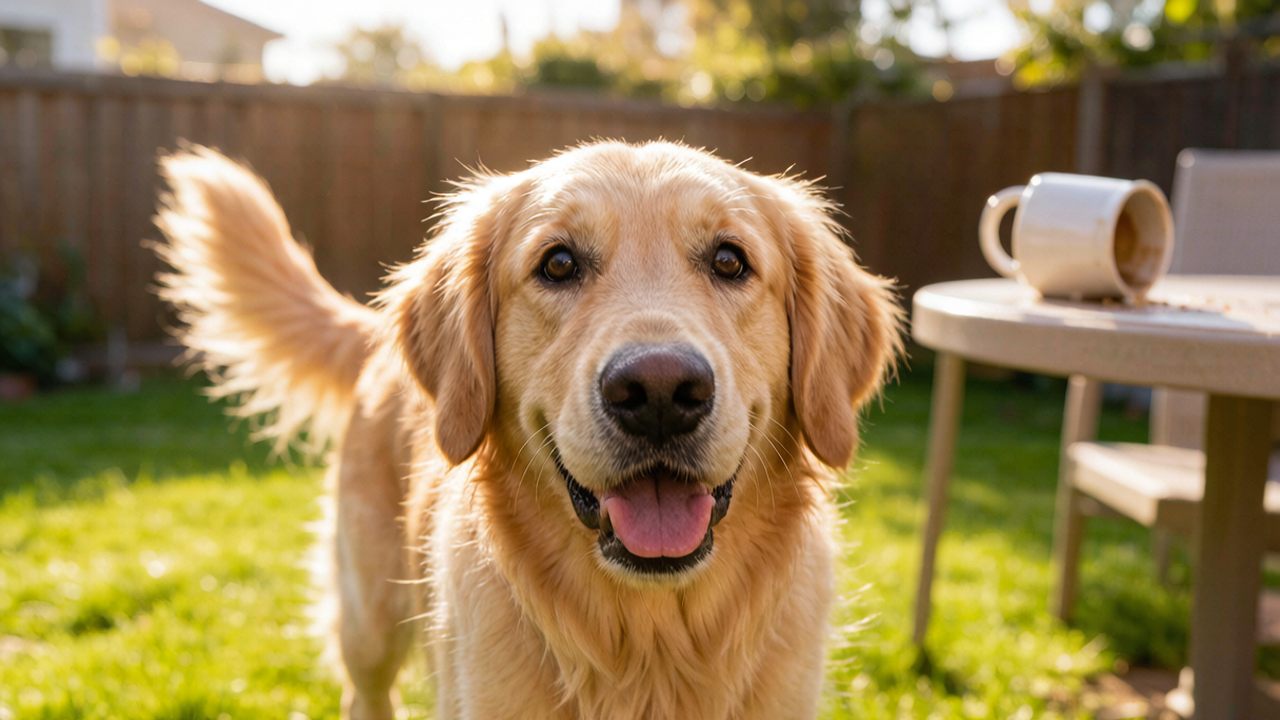
I still remember the exact moment. It was a Tuesday morning, I was sipping coffee on the patio, watching my Golden Retriever, Gus, do his business in the yard. Everything seemed normal. Then he turned around, sniffed what he'd just left behind, and before I could even process what was happening — he ate it.
I dropped my mug. Coffee went everywhere. And Gus? He trotted back over to me with what I can only describe as the proudest look on his face, tail wagging, ready to give me a big wet kiss. I screamed. My neighbor definitely heard me.
That was day one of my journey into coprophagia. If you're reading this, chances are you've had a moment just like mine. Your dog isn't broken. Here's what actually worked — and what was a complete waste of time.
Why Do Dogs Eat Poop?
My vet explained that coprophagia is incredibly common — 16-23% of dogs do it occasionally. Most puppies grow out of it. The reasons: leftover puppy instinct, genuine hunger, attention-seeking (even negative attention is attention), or boredom/anxiety. And yes — cat poop can actually smell delicious to them because cats eat high-protein diets.
What Failed Spectacularly
Pineapple and pumpkin. Gus ate the pineapple happily, then continued eating poop just as happily. A 2018 study found commercial deterrents had 0-2% effectiveness. Those "no poop" chews. $45 wasted. Yelling and chasing. I was literally making the problem more fun for him. Muzzles. He just came back with poop smeared on his snout. Even worse.
The Three-Week Reset That Actually Worked
Week 1: Eliminate Access Completely
Gus went outside on a leash, every time. The moment he pooped, I called him away with chicken and cleaned up immediately. For the litter box, a baby gate the cat could jump over but Gus couldn't. You can't train a dog not to eat poop while they still have access to it.
Week 2: Build a New Default Behavior
The moment he finished pooping, I said "Yes!" excitedly and jogged backward. He followed me because I had chicken and was the most interesting thing in the yard. After five days, he started looking at ME expectantly after pooping instead of at the poop.
Week 3: Test and Reinforce
Off leash in the yard with me nearby. Called him after every poop. If he came, jackpot reward. If he glanced at the poop, I jogged away playfully. By end of week three, 90% success. Over the next month, it stopped entirely.
What Helped Along the Way
Higher-fiber food with a tablespoon of plain canned pumpkin. More exercise and puzzle toys — a tired dog has less energy for weird hobbies. Cleaning the yard like I was expecting guests — every time, no exceptions.
Gus hasn't eaten poop in over eight months. He traded a disgusting habit for a much better one: looking at me after pooping like "where's my chicken?"
🐾 Enjoyed This Article?
Save it for later, share with a fellow pet parent, or check out more tips on our homepage!
The Leash Habit That Ended It
The only thing that stuck was removing the opportunity, not the urge. On walks I kept Cooper on a short leash through "trigger zones" (other dogs' yards, the park corner) and the instant he lowered his head I said "leave it" and redirected with a treat. After about three weeks the reflex broke — he'd glance, then look at me for the treat instead. Freedom-off-leash before that just meant more practice at the habit.
The Pineapple Myth, Debunked
You'll read "feed them pineapple, it makes poop taste bad." For most dogs it does nothing, and for some it just adds sugar. The reliable levers are: pick up immediately (no access), keep them fed on schedule (hungry dogs scavenge), and the leash redirect above. The treat side of that is in these training-treat hacks, and the full foundation is the new dog owner's guide.
The Phase Cooper Ate His Own Poop
It's disgusting and common, and Cooper went through it as a teenager. We ruled out a diet gap with our vet, then made pickup immediate on walks and added a "leave it" cue that actually paid off. Most cases fade with maturity and management rather than a magic supplement.
It often overlaps with other mouthing habits; our notes on why dogs eat grass and training regressions cover the bigger picture. Keep the yard clean and the reward for checking in with you higher-value than the snack.
Frequently Asked Questions
Why do dogs eat poop?
It is common in puppies (who explore with their mouths), and in adults it can stem from boredom, attention-seeking, a learned habit, or rarely a dietary gap. Most cases are behavioral, not medical.
Is it dangerous?
Usually more gross than dangerous, but it can spread parasites and bacteria, and some ingested medications pass into stool. Rule out medical causes with your vet if it starts suddenly.
How do I stop it?
Pick up waste immediately, teach a solid "leave it", keep the dog mentally busy, and review diet with your vet. Consistency matters more than any single product.
Prevention Strategies
- Clean the yard right after your dog goes.
- Reward "leave it" and redirect to a toy.
- Increase exercise and puzzle feeders to cut boredom.
- Ask your vet to rule out nutrient malabsorption.
Common Mistakes to Avoid
- Do not scold after the fact - the dog links the punishment to you, not the poop.
- Do not leave stool in the yard - easy access is easy relapse.
- Do not ignore a sudden start - new coprophagia can signal a medical issue worth a vet check.