Dog Car Sickness: How I Finally Got My Dog to Stop Drooling and Vomiting on Every Trip
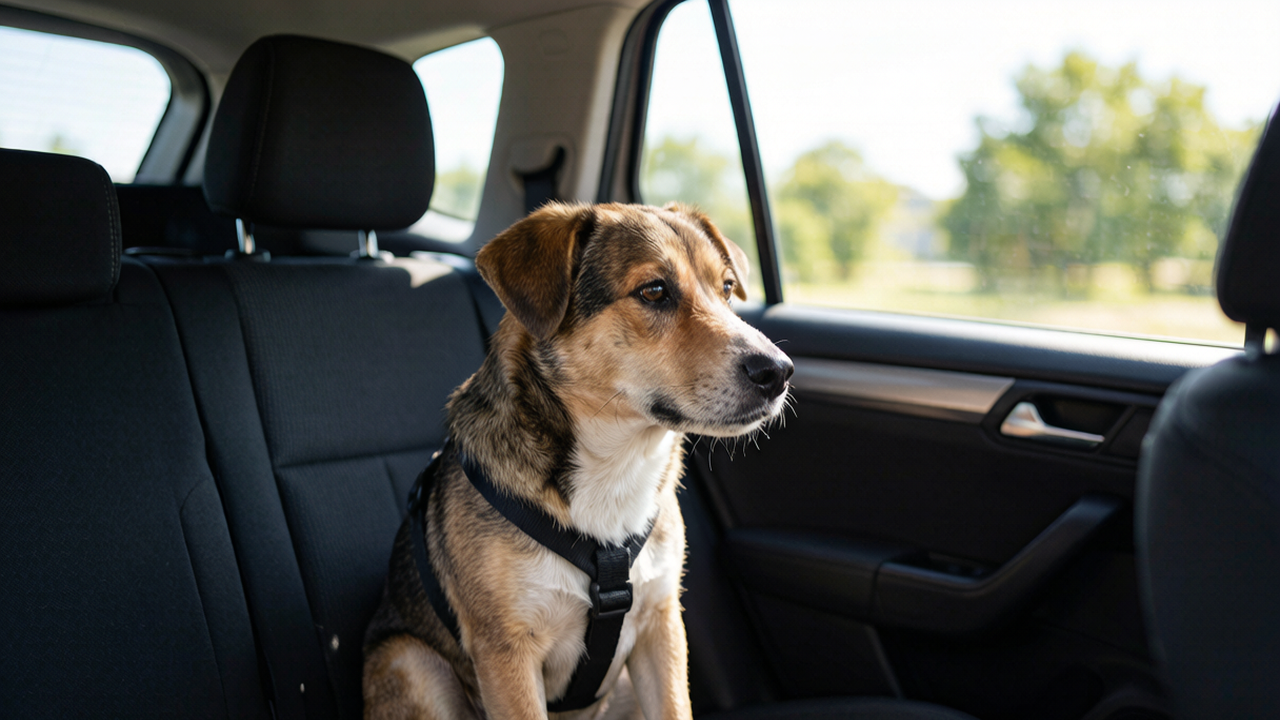
First time I took my dog Cooper on a road trip, we made it four blocks before his breakfast covered my back seat. Full-body heave. I pulled over, stared at the mess, and seriously considered selling the car.
Today, Cooper naps through six-hour drives. It wasn't a magic pill. It was understanding that car sickness is almost always two problems wearing the same clothes.
Physical + psychological = why nothing worked alone
My vet explained: most car-sick dogs deal with motion sickness (inner ear says "we're moving," eyes say "we're not" = nausea) AND anticipatory nausea (dog starts drooling the second you grab the keys because "car" now equals "vomiting").
I tried Dramamine — only addressed the physical. I tried ginger — same. I was ignoring the psychological piece entirely. His stress response kicked in the moment the engine started, and whatever anti-nausea remedy I gave him didn't stand a chance.
What actually worked
1. No food 4 hours before trips. Not 3 — learned that one the hard way. A single plain biscuit an hour before is fine. Empty stomachs produce stomach acid that makes nausea worse.
2. Forward-facing seat belt harness in the back seat. This was the single biggest change. I'd been crating him in the cargo area — dark, chaotic, can't see the horizon. Seeing out the windshield reduces the sensory mismatch. Crack windows 2 inches for air pressure equalization.
3. Two weeks just sitting in the driveway. Then engine on, no driving. Then one block, two blocks. Only advance when he's calm. This desensitization was the only thing that addressed the psychological piece. Medication stops vomiting, but it can't teach your dog the car isn't a torture chamber.
For long trips before training is done: Cerenia (prescription, the only FDA-approved motion sickness med for dogs). Dramamine helps some dogs but it's sedating. Get the dose from your vet — guessing from human dosing on the internet is how dogs end up in the ER.
Still travel with towels in the trunk. Old habits. Haven't used them in two years.
🐾 Enjoyed This Article?
Save it for later, share with a fellow pet parent, or check out more tips on our homepage!
The 20-Minute Desensitization Loop
The fix wasn't one product, it was repetition without destination. Five times a week I'd put Cooper in the car, start it, sit for two minutes, treat, done — no drive. Then two minutes of reverse-out-the-driveway-and-back. Then around the block. Over three weeks the "car = tummy trouble" association got overwritten by "car = treats." Total per session: 20 minutes, zero vomiting. People skip this and wonder why the chew didn't work — the chew calms the body, it doesn't rewrite the memory.
What I Now Pack for Every Trip
A towel (carsick drool is inevitable early on), a licki-mat smeared with plain yogurt for the last five minutes of the drive, and a window cracked just enough that he gets airflow without sticking his whole head out. The foundation stuff is in the new dog owner's guide, and if a lake day is involved, this ear-care routine saves you a $400 mistake I already made.
Cooper's First Road Trip (and the Throwing Up)
Cooper puked on his first 20-minute drive, and we nearly gave up on car trips. What worked was building up slowly: engine on, no movement; then around the block; then a fun destination so the car meant good things. An empty stomach and a cracked window helped more than any tablet.
Plan longer trips with our travel guide, and never leave him in a hot car — see heatstroke prevention. Most puppies outgrow motion sickness; adults often just need gradual exposure.
Build a Positive Car History
We ended every short drive with a walk or a treat so Cooper's brain filed the car under "good things." Within a month the drooling stopped. The dogs who hate cars are usually the ones who only ride to the vet — so we added pointless happy trips to the park with no appointment at the end.
Plan longer runs with the travel guide, and never pair the car with a stressful destination while you're still fixing the nausea.
Frequently Asked Questions
Do puppies outgrow car sickness?
Many do. Car sickness in young dogs is often tied to an immature inner ear, and it frequently improves with age. Gentle, frequent short rides help the system adapt.
What can I do before a trip?
Offer a light meal two to three hours before leaving (a full or empty stomach both worsen nausea), crack a window for fresh air, and keep the car cool and calm. Short "just sit in the parked car" sessions build positive associations.
Are there medications for dog car sickness?
Yes, your vet can recommend options ranging from motion-sickness prescriptions to calming aids. Never give human medication without veterinary guidance.
Before-You-Drive Prep
- Practice short rides with no destination first.
- Feed lightly 2-3 hours before the trip.
- Secure your dog with a harness seatbelt or crate.
- Stop every 1-2 hours for a break and water.
Common Mistakes to Avoid
- Do not travel on a full stomach - a light meal 2-3 hours before is calmer on the stomach.
- Do not skip acclimation - sudden long trips overwhelm an unsteady puppy.
- Never give human motion-sickness pills without veterinary approval; some are toxic to dogs.
Your First Steps This Week
- Sit in the parked car with the engine off and treats a few times, no driving yet.
- Feed a light meal two to three hours before any real trip.
- Crack a window for steady fresh air and keep the cabin cool.
- Plan short happy trips to somewhere fun, not just the vet.