Cat Not Using Litter Box? 9 Reasons and How to Fix Each One
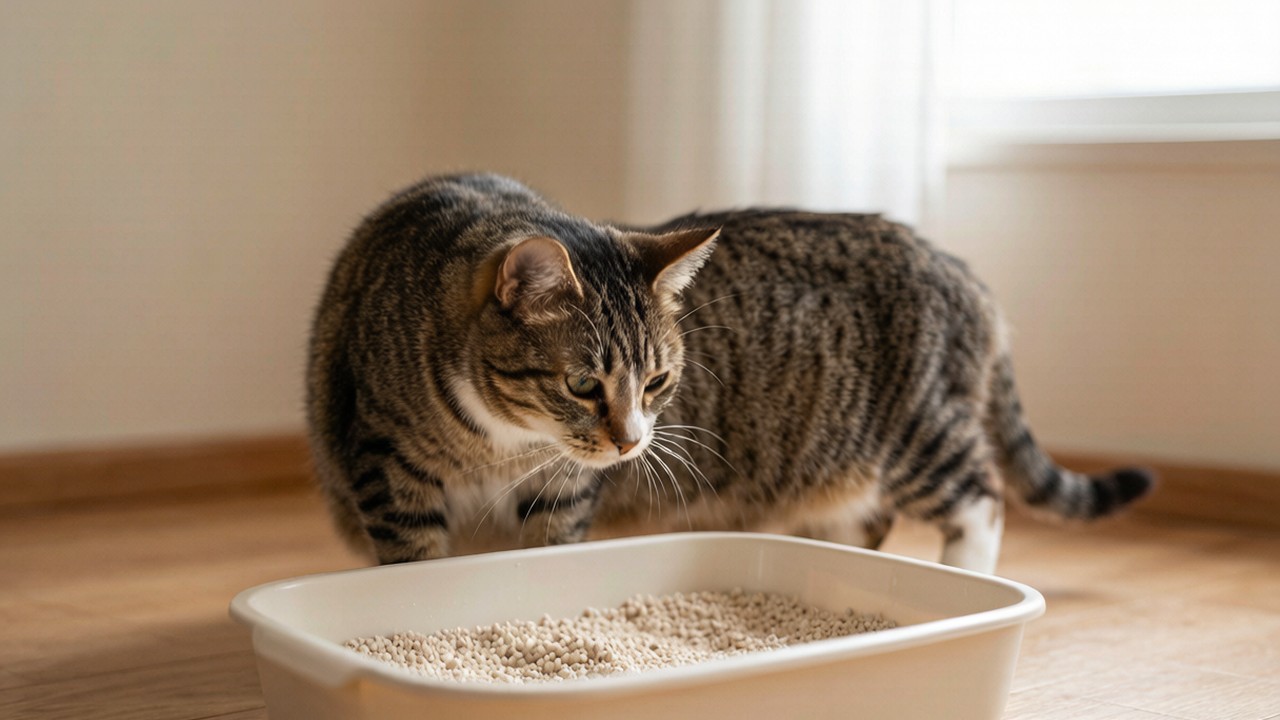
Your cat has always been fastidious about using the litter box. Then one day, you find a puddle on the bathmat. Then another on the couch. Then a pile behind the TV. Before you get angry, read this: inappropriate elimination is the #1 behavioral reason cats are surrendered to shelters. But it's also one of the most fixable problems—if you understand the cause.
Related reading: Litter
Here are the 9 most common reasons your cat is avoiding the litter box, and exactly how to fix each one.
Quick Answer: Why Is My Cat Not Using the Litter Box?
Cats stop using their litter box for two main categories of reasons: medical (UTI, bladder stones, arthritis, kidney disease) and behavioral (dirty box, wrong litter, stress, multi-cat conflict). Always rule out medical causes first—about 30% of litter box avoidance cases have an underlying health issue.
Reason 1: Medical Issues (Always Check This First)
This is the most important reason to check first. Common medical causes include:
- Urinary tract infection (UTI) "causes pain during urination, cat associates the litter box with pain
- Feline lower urinary tract disease (FLUTD) "inflammation of the bladder
- Kidney disease "increased urination, cat may not make it to the box
- Arthritis "makes stepping into a high-walled box painful
- Diabetes "increased urination
- Constipation "painful defecation associated with the box
Action: If litter box avoidance starts suddenly, see your vet immediately. This is especially urgent for male cats, who can develop life-threatening urinary blockages.
Reason 2: Dirty Litter Box
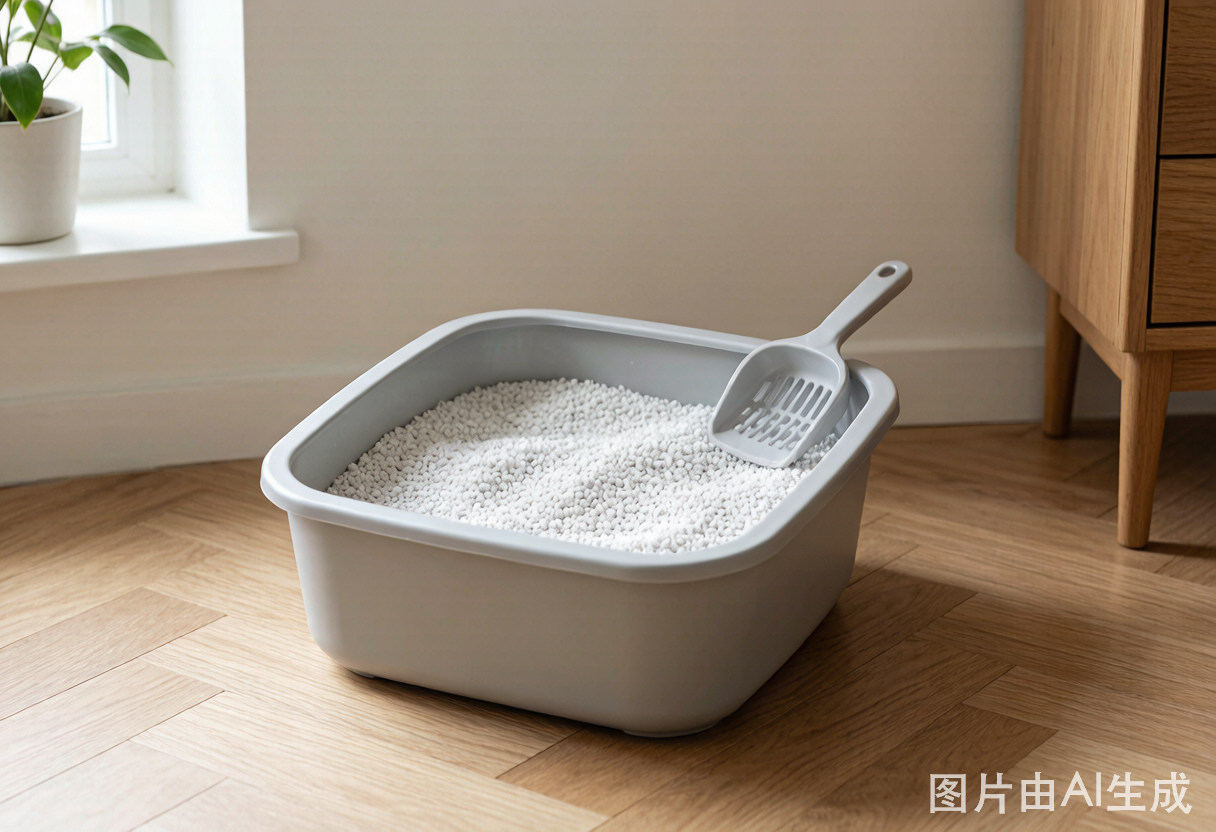
Mochi's protest: Our cat Mochi once started avoiding the box entirely, and the only change was that we'd let it go an extra day between scoops during a busy week. Cats are not subtle about this—once the box feels even slightly off, they vote with their paws. Scooping daily fixed it within 48 hours.
Cats have a sense of smell 14 times stronger than humans. A litter box that smells "okay" to you might be unbearable to your cat.
Action:
- Scoop twice a day "morning and evening
- Completely change litter and wash the box every 2-3 weeks
- Use warm water and mild soap—never harsh chemicals
- Don't use liners—most cats hate the texture and the smell
A self-cleaning litter box like the Litter-Robot 4 ($649) can solve this problem entirely if you're willing to invest.
Reason 3: Wrong Litter Type
Cats are incredibly picky about litter texture and scent. In a 2017 study published in the Journal of Feline Medicine and Surgery, researchers found cats overwhelmingly prefer unscented, fine-grained clumping clay litter.
Action:
- Switch to unscented clumping clay litter if you're not already using it
- Avoid scented litters, pine pellets, and crystal litters unless your cat specifically likes them
- Try Dr. Elsey's Cat Attract Litter ($19.53) "specifically designed to attract cats to the litter box
- Change litter gradually: mix 75% old / 25% new, then 50/50, then 25/75, then 100% new over 2 weeks
Reason 4: Box Location Problems
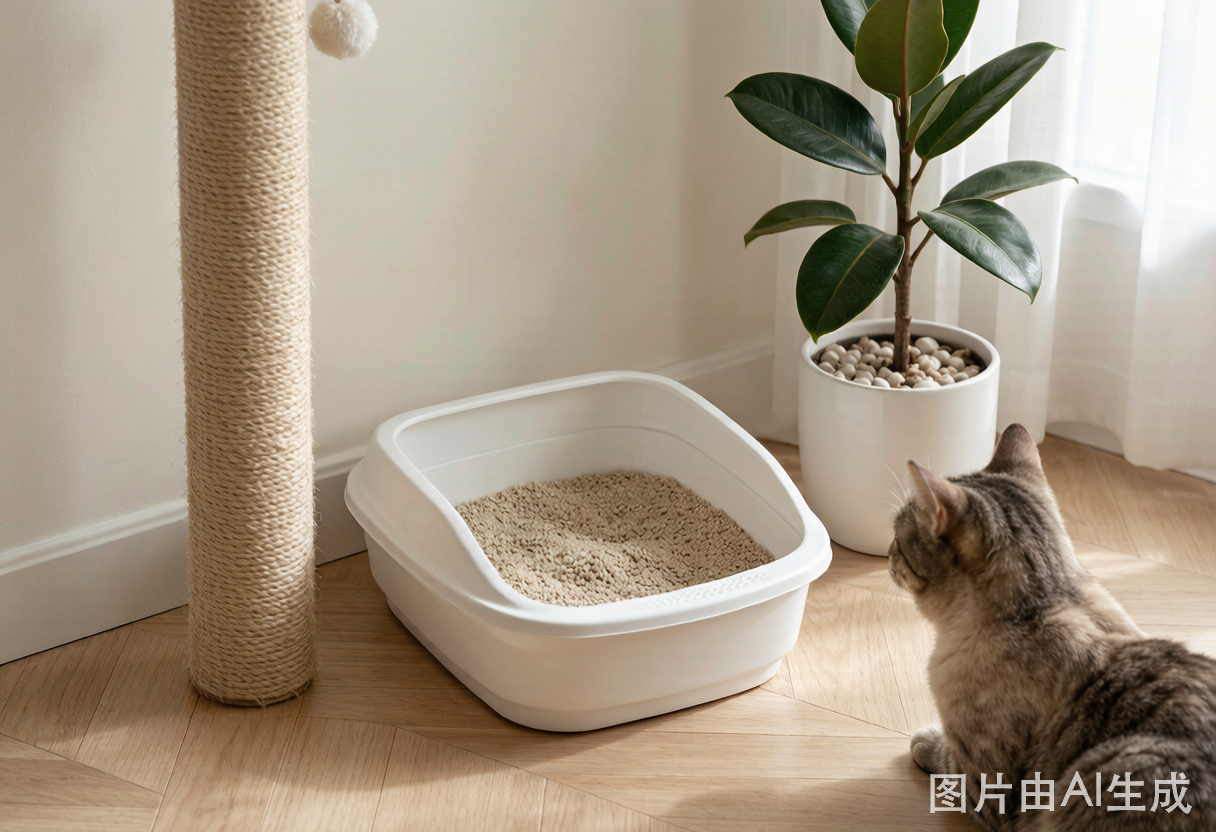
Where the litter box sits matters more than you think:
- Too noisy: Next to the washing machine or furnace—sudden noises scare cats away
- Too public: In a high-traffic area where the cat feels vulnerable
- Too dark: Cats need some light to find the box
- Too hard to reach: Behind closed doors or up stairs (especially for senior cats)
- Near food: Cats instinctively avoid eliminating near their food
Action: Place boxes in quiet, accessible, low-traffic areas. Make sure there's an escape route (don't put the box in a closet with only one exit).
Reason 5: Not Enough Boxes
The golden rule: one box per cat, plus one extra. So:
- 1 cat = 2 boxes
- 2 cats = 3 boxes
- 3 cats = 4 boxes
Why? Cats are territorial. One cat may guard the only box, preventing others from using it. Multiple boxes in different locations give every cat options.
Reason 6: Box Style Issues
The litter box itself might be the problem:
- Too small: The box should be 1.5x the length of your cat
- Walls too high: Especially for kittens, senior cats, or arthritic cats
- Covered boxes: Many cats feel trapped; they also concentrate odors inside
- Automatic boxes: Some cats are terrified of the noise
Action: Try a large, open, low-sided box. Nature's Miracle High-Sided Litter Box ($16.99) is a great all-around choice.
Reason 7: Stress and Anxiety
Cats are creatures of habit. Any change can trigger litter box avoidance:
- Moving to a new home
- New pet or family member
- Changes in routine (work schedule, feeding times)
- Home renovation or construction noise
- Outdoor cats visible through windows
Action: Use Feliway MultiCat Calming Pheromone Diffuser ($35.95) "it releases synthetic calming pheromones that reduce stress in 90% of cats within 4 weeks. Also, clean all accident spots with an enzymatic cleaner like Rocco & Roxie ($19.97) to prevent repeat offenses.
Reason 8: Multi-Cat Conflict
In multi-cat households, one cat may block access to the litter box. Signs include:
- One cat always guarding the box area
- Cat fights near the litter box
- One cat eliminating in multiple inappropriate locations
Action: Spread boxes across different rooms and floors. Never cluster all boxes in one area. If conflict is severe, consult a feline behaviorist.
Reason 9: Marking Behavior
Not all inappropriate elimination is litter box avoidance. Marking (spraying) is different:
- Urine is usually on vertical surfaces (walls, furniture legs)
- Cat stands (doesn't squat)
- Small amounts of urine in multiple locations
- More common in unneutered males
Action: Neuter/spay your cat if not already done. Use Feliway diffusers. Clean marked areas with enzymatic cleaner. For persistent marking, consult your vet about anti-anxiety medication.
Products to Help Solve Litter Box Issues
- Dr. Elsey's Cat Attract Litter ($19.53) "herb-infused litter that attracts cats
- Feliway Classic Pheromone Diffuser ($35.95) "reduces stress-related avoidance
- Nature's Miracle High-Sided Litter Box ($16.99) "large, open design cats prefer
- Rocco & Roxie Enzymatic Cleaner ($19.97) "permanently removes urine odor
- Litter-Robot 4 ($649) "self-cleaning box for busy households
🔗 Read Also:
- Eco-Friendly Cat Litter Guide 2026: Wood, Grass & Walnut Compared
- Cat Behavior Problems A-Z: Solutions for Common Issues
- How to Introduce a New Cat to Your Home: The 3-Day Rule for a Stress-Free Transition
- Complete Cat Care Guide: Everything You Need to Know
- Why Is My Cat Meowing at Night? Causes and Solutions
People Also Ask
How many litter boxes should I have for one cat?
The golden rule is one box per cat plus one extra. So for one cat, you need two litter boxes placed in different locations. This prevents territorial guarding and gives your cat options.
How often should I clean the litter box?
Scoop twice daily (morning and evening), and completely replace all litter every 2-3 weeks. Wash the box with warm water and mild soap — never harsh chemicals. Cats have a sense of smell 14 times stronger than humans.
What type of litter do cats prefer?
Research shows cats overwhelmingly prefer unscented, fine-grained clumping clay litter. Avoid scented litters, pine pellets, and crystal litters unless your cat specifically likes them. Transition gradually over 2 weeks when switching types.
Why is my cat pooping outside the litter box but peeing inside?
This often indicates constipation, a box that's too small, or a litter texture preference for solid waste. Try a larger open box with unscented clumping clay litter. If constipation is suspected, consult your vet.
Shop Recommended Products
Recommended Products
We may earn a commission from purchases made through these links.
🩺 Heads Up: We’ve built this guide on standard veterinary practice and reputable sources, yet every pet is different. For anything specific to your animal’s health, your veterinarian is the right person to ask.
🐾 Written by the PetHomeHacks editorial team — researched, tested, and reviewed for accuracy.