What Your Cat Is Really Telling You: A Field Guide to Feline Behavior
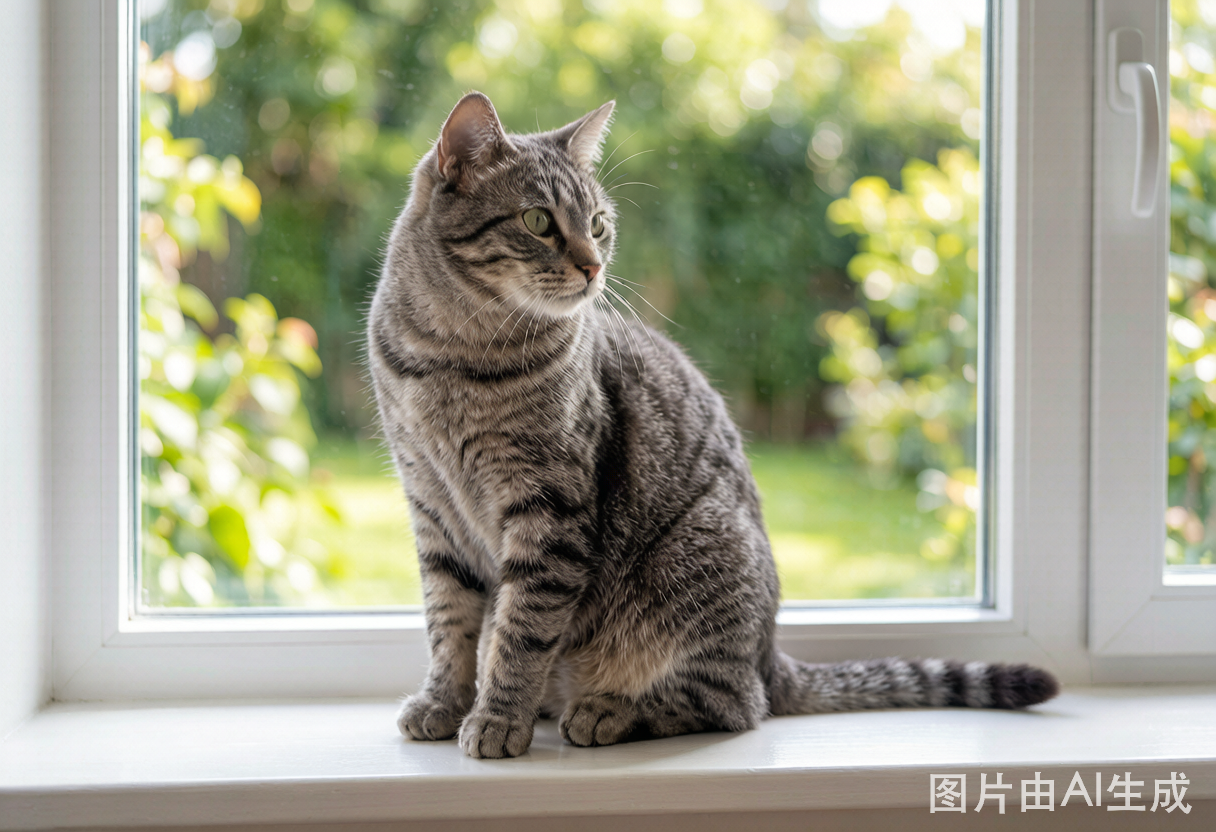
The cat who ignored me for three weeks
I brought Mochi home from a rescue on a Saturday. Two years old, grey tabby, carried her whole world in a cardboard carrier the size of a shoebox. I set her down in the bathroom, closed the door, and waited for the bonding to begin.
It did not begin. For three weeks, Mochi ate, used the litter box, and pretended I was a moderately inconvenient piece of furniture. She'd sit on the windowsill, stare out at absolutely nothing, and if I entered the room she'd slide under the bed like I'd announced a tax audit.
I'd had dogs my whole life. Dogs come over. Cats, I was learning, do something stranger: they assess. My vet later said something that reframed the whole three weeks — "She's not rejecting you. She's building a file on you." That file took three weeks to close. Then one evening she jumped on the couch, walked over, and sat on my laptop keyboard mid-sentence. We were friends.
If you've got a cat who won't look at you, or one whose behavior baffles you at 4 a.m., this is the field guide I wish someone had handed me. Cats aren't mysterious. They're just speaking a language most of us were never taught.
Cats don't do revenge
The biggest myth I believed: that cats act out to punish us. Mochi knocked a glass off the counter once and I genuinely thought, for a second, she's mad about the new food.
She wasn't. Cats don't have the cognitive wiring for spite. When a cat does something we dislike — pees on the bed, scratches the sofa, ignores us — it's communication about a need, a fear, or a discomfort, not a grudge. Once I stopped treating her behavior as personal, I could actually solve the problem underneath it.
If your cat has started going outside the litter box, this breakdown of the nine most common reasons is where I'd start. And if it's specifically the bed, the pillow-peeing guide walks through what's usually really going on.
The slow blink is a cat kiss
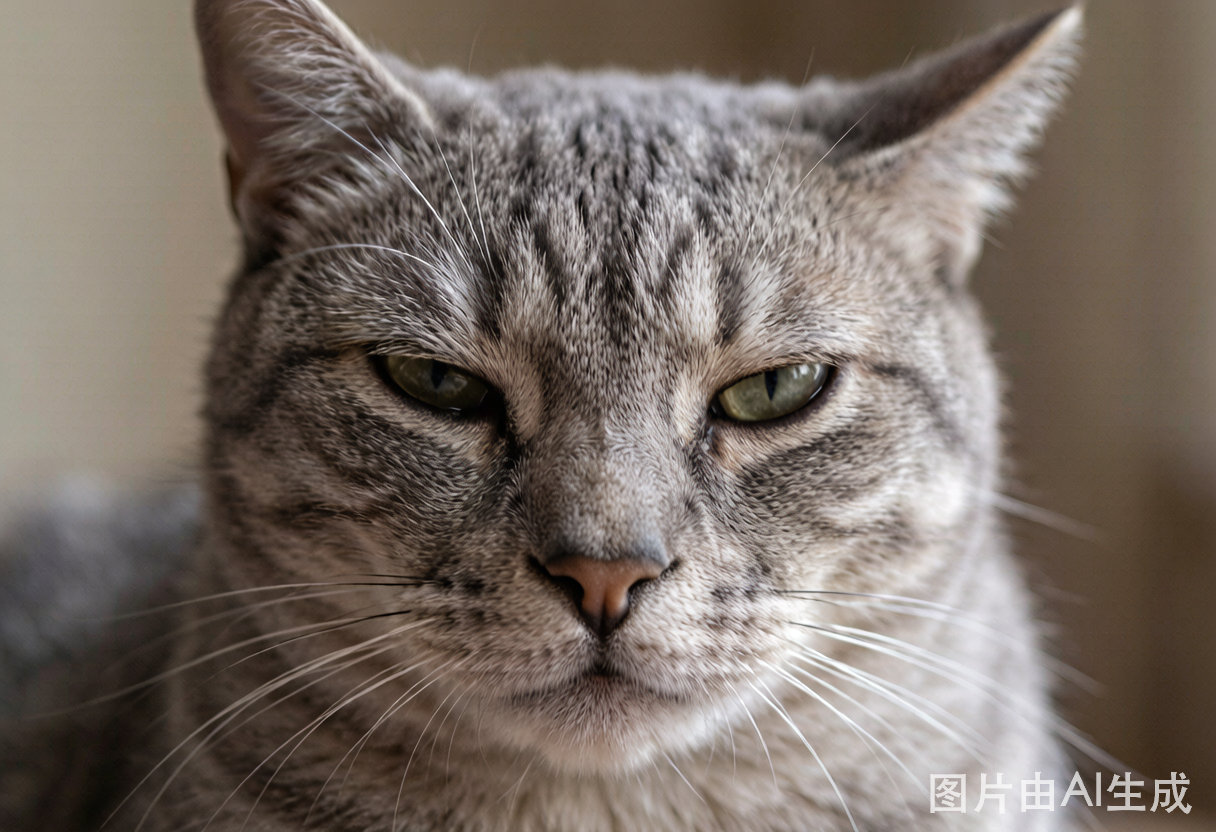
About week four, Mochi did something I almost missed. She was across the room, looked at me, closed her eyes slowly, held them, opened them. Then again.
That's a cat's version of "I trust you." Slow blinking is how cats signal relaxation to each other — closing your eyes near another creature is the most vulnerable thing a prey animal can do. When Mochi slow-blinked at me, she was saying the room was safe.
You can return it. Catch her eye, blink slowly, look away softly. Don't stare — a hard stare is a threat in cat language. The first time I slow-blinked back, she blinked again. We'd had a conversation without a sound.
What the tail is actually saying
People think a swishing tail means a happy cat. Sometimes. Often it means the opposite. Here's the version that's actually useful:
- Straight up, slight curl at the tip: happy, confident, glad to see you. Mochi's greeting tail looks like an exclamation point.
- Low and twitching, or thumping the floor: irritation building. This is the "stop petting me now" tell. I learned to read it after one too many love-bites.
- Puffed and bottle-brush: fear, not anger. Something scared her. Get low, give space.
- Slow swish while hunting (or watching a bug): focus, not mood. Leave her to it.
The tail is the easiest read once you stop assuming it means one thing.
The 4 a.m. sprint is not personal
Mochi, at roughly 3:47 every morning, becomes a furry Olympic sprinter. Across the bed, off the dresser, into the hallway, back. My first instinct: she's bored of me, she's messing with me on purpose.
Cats are crepuscular — wired for dawn and dusk activity, the times their wild ancestors hunted. That 4 a.m. zoom is leftover instinct, not a vendetta against your sleep. What actually helped: a hard play session before bed (wand toy, ten minutes, until she's panting), then a small meal. A tired, fed cat sleeps deeper. It didn't eliminate the sprints entirely, but it moved them to a more reasonable hour.
Scratching is maintenance, not malice
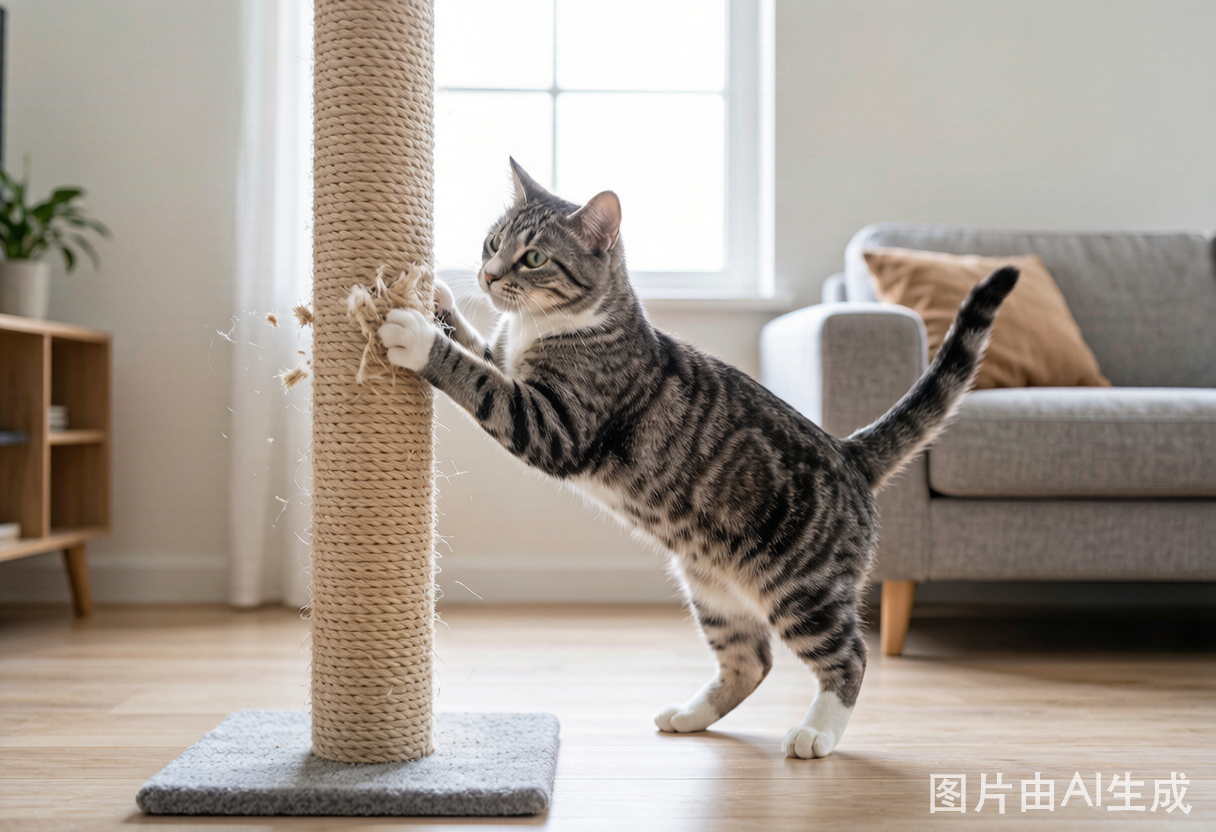
Mochi shredded the arm of my sofa in week two. I was annoyed. Then I learned what scratching actually does for a cat: it sheds the dead outer layer of the claw, stretches the shoulders and back, and leaves scent from glands in the paws. It's grooming and marking at once. She wasn't destroying furniture for fun. She was doing cat business with the only tool she had.
The fix wasn't to stop her — it was to give her a better option and make the sofa less appealing. A tall scratching post near the couch, rubbed with a little catnip, did most of it. Yelling accomplished nothing; redirecting to the post accomplished everything.
When a cat follows you everywhere
A few months in, Mochi started trailing me room to room. I'd turn around and there she'd be, sitting in the doorway like a small grey supervisor. I assumed it was affection. It mostly is — but this guide on why cats follow their people points out it can also signal anxiety or a need (food, warmth, a litter box that needs attention). Context matters. If the following comes with meowing, check the basics before you melt at how devoted she is.
The escape artist was asking for something
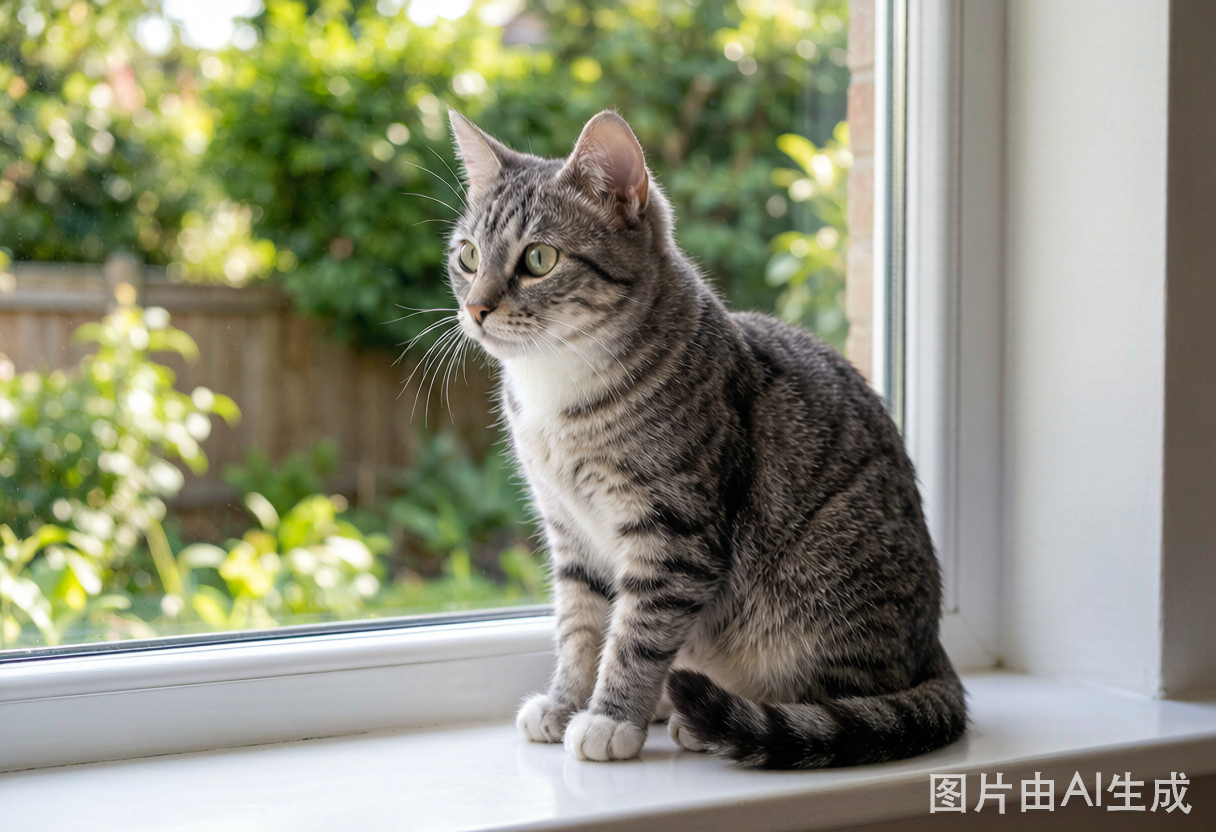
For a while Mochi threw herself at the front door every time it opened, slinky and determined. Not because she hated home — because she'd spotted something on the other side and her instincts overrode her manners. The indoor-escape guide covers the window-film and environmental fixes that worked for another cat parent, and most of it applied to us: more vertical space, more to do, less reason to want out.
Purring isn't always happiness
This one surprised me. Mochi purrs when she's on my lap, obviously content. But I once found her purring in the carrier on the way to the vet, body tight, eyes wide. Cats also purr to self-soothe through pain or fear — it releases endorphins. A purring cat isn't automatically a happy cat. Read the rest of the body: is she loose or rigid? Ears forward or flat? Purring plus tension means comfort yourself, not congratulate yourself.
The ears and the eyes
Two more reads worth knowing:
- Ears swiveled back or flat to the side: overstimulated or frightened. Stop the interaction.
- Ears forward, relaxed: engaged and calm.
- Half-closed eyes: content. Fully wide with dilated pupils during play: excited, not scared. Wide pupils in a frozen body: scared.
Mochi's "done" signal is ears back plus a twitchy tail. I used to miss it and get bitten. Now I catch it and end the petting session on her terms, and the bites stopped.
Reading her took longer than training a dog
I'll be honest about the part that tripped me up: with dogs, feedback is instant. With Mochi, everything was subtle and slow. There were weeks I felt like I was failing because she wasn't "responding."
She was responding. Just quietly, on a timeline I hadn't been taught to watch. The slow blink at week four. The laptop keyboard at week six. The first time she slept with her back to me — which, I learned, is the ultimate cat compliment, because a cat only shows you her vulnerable side when she trusts you completely.
What I'd tell the three-weeks-in version of me
If I could go back to that Saturday, to me standing outside the bathroom door waiting for a bond that wasn't coming on my schedule, I'd say: stop waiting for her to come to you. Start reading what she's already telling you.
She's not cold. She's careful. She's not ignoring you. She's compiling data. And when the file closes — and it will, if you're patient and consistent — you'll have a relationship built on something sturdier than enthusiasm. You'll have trust she earned the right to give.
Cats aren't complicated. We just forgot to learn their language. Once you start, the behavior that looked like spite reveals itself as the only way a small, careful animal knows how to ask for what she needs.
🐾 Enjoyed This Article?
Save it for later, share with a fellow pet parent, or check out more tips on our homepage!